Most founders fixate on the first meeting. But the real filter is the second. Investors use the first call to decide if you're worth another hour. The second meeting is where they start to get serious — deeper diligence, partner intro, or a path to terms.
Here's how to make that transition happen.
Give them a clear reason to say yes again
Before you leave the first meeting, create a specific next step. "We'd love to show you the product" or "Our lead customer would be happy to jump on a call" gives the investor a concrete reason to calendar you again. Vague "let's stay in touch" rarely turns into a second meeting. A named follow-up does.
Send a one-pager that answers the questions they asked
Investors will test you on the first call. They'll ask about unit economics, competition, or why now. Whatever they pressed on, send a short follow-up note within 24 hours that directly addresses those points — with numbers or proof where you can. That signals you listen and you execute. It also gives them something to forward to a partner or to re-read before the next call.
Tighten the deck before the second round
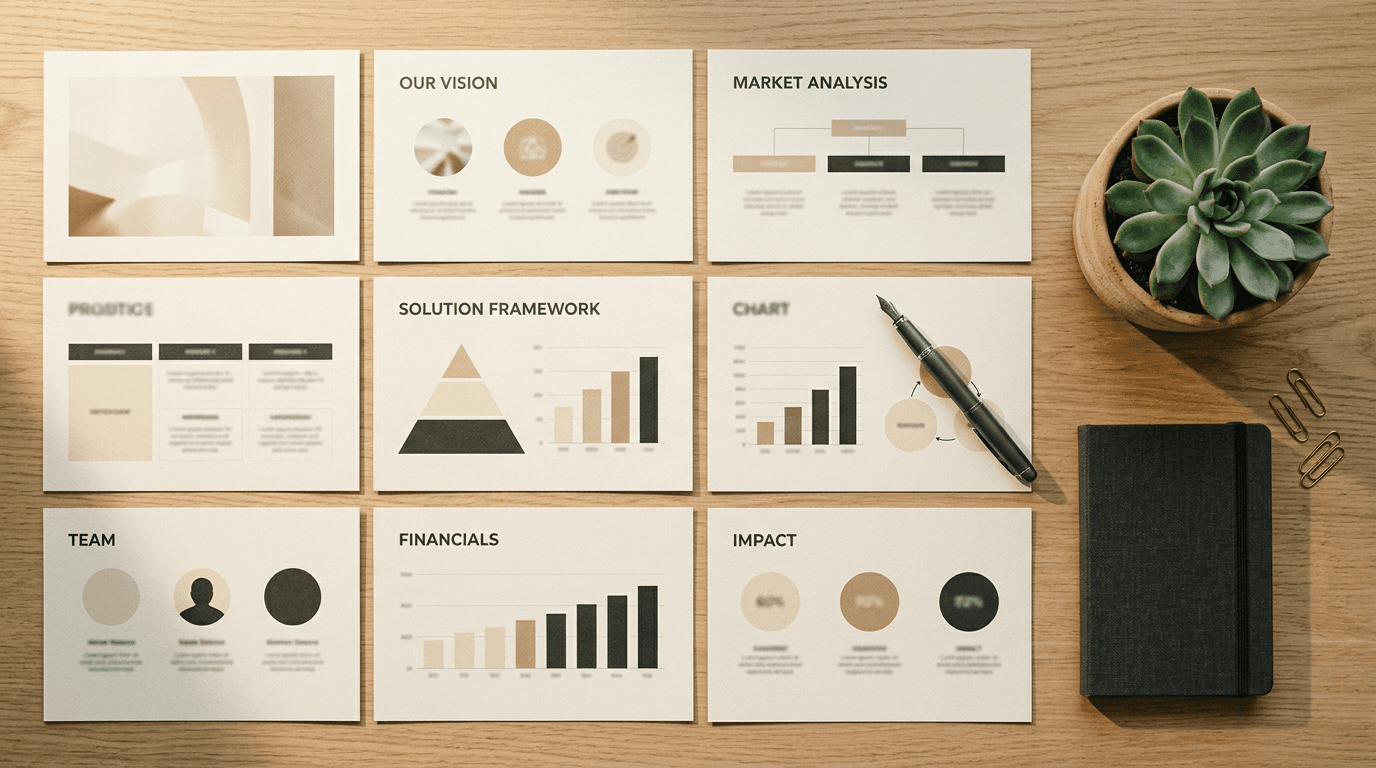
If they're bringing in a partner or doing a deeper dive, your deck will get a second look. Use the feedback from the first meeting to fix the weak spots. If they questioned your go-to-market, add a slide that answers it. If they wanted more traction detail, put it front and centre. A deck that evolves between meetings shows you're serious and responsive.
Don't chase — create urgency the right way
Pinging "just checking in" every two weeks rarely works. What does: a real update. New customer, new metric, or "we're closing the round in the next two weeks." Give them a reason to move now. That doesn't mean fake deadlines — it means sharing real momentum so the second meeting has a clear purpose.
Getting to the second meeting is about proof and clarity. Answer what they asked, give them a concrete next step, and show that you're moving. Do that, and you're no longer one of hundreds of decks — you're one of the few they're actually considering.